
When Bethenny Frankel talks about her experience with POTS, people listen.
She has access to top doctors.
She has resources.
She has specialists.
And yet she is still struggling.
That tells you something.
POTS, or Postural Orthostatic Tachycardia Syndrome, is affecting more than a million people in the United States alone. Many experts believe that number is dramatically underestimated.
But here is the truth.
Whether someone has access to Mayo Clinic, Johns Hopkins, elite cardiologists, or none of that, most people with POTS are in the same boat:
They have symptoms.
They have labels.
They do not have answers.
And they are getting worse.
Dr Maggie Yu sees this every day.
What Bethenny Frankel Described Is Not “Classic” POTS
In her videos, Bethenny described:
- Extreme dehydration
- Intense thirst
- Waking every two hours in pain
- Weight gain
- Swelling
- Severe anxiety
- Insomnia
If you Google POTS symptoms, what you typically see is:
- Rapid heart rate
- Tachycardia
- Blood pressure fluctuations
- Dizziness
- Lightheadedness
- Fainting
- Exercise intolerance
That is why POTS often gets sent straight to cardiology.
But Dr Maggie Yu understands something most doctors don’t.
POTS does not belong in cardiology.
Because for most people, the heart is reacting. It is not the root cause.
Why POTS Is Not a Heart Condition
When the heart rate spikes in POTS, it is usually compensatory.
Blood vessels dilate.
Blood pressure drops.
The heart speeds up to maintain circulation.
But what is triggering the dilation?
What is driving the instability?
In Dr Maggie Yu’s clinical experience, the most common underlying drivers of POTS are:
Blood sugar instability
Hormonal imbalance
Gut dysfunction and infections
Not a primary heart defect.
When blood sugar crashes, stress hormones surge.
When stress hormones surge, heart rate rises.
When estrogen, cortisol, thyroid, or adrenal hormones are off, autonomic instability follows.
When gut infections and inflammation are present, histamine and immune activation increase vascular dilation.
That is the real terrain.
Why Cardiologists and Rheumatologists Keep Missing It
If you go to a cardiologist, they will test your heart.
If your echocardiogram and rhythm tests are normal, they will say your heart is structurally fine.
Which is true.
But that does not explain:
- Extreme thirst
- Fluid retention
- Weight gain
- Nighttime pain
- Anxiety
- Insomnia
- Swelling
- Hormonal symptoms
If you go to a rheumatologist because someone suspects autoimmune disease, they will focus on autoimmune markers.
But they are not trained in:
- Blood sugar pattern analysis
- Functional thyroid patterns
- Hormone interpretation beyond basic labs
- Gut-driven autonomic dysfunction
Dr Maggie Yu says this clearly:
It is not that they do not care.
They are not trained to see the pattern.
Online Training
A New Look at Autoimmune Healing
Research-backed insights into rheumatoid arthritis, Hashimoto’s, lupus, fibromyalgia, and more.
The Blood Sugar Connection in POTS
One of the biggest overlooked root causes of POTS is blood sugar instability.
When blood sugar fluctuates up and down, the body releases adrenaline and cortisol.
Those stress hormones:
- Increase heart rate
- Increase anxiety
- Disrupt sleep
- Increase inflammation
- Trigger autonomic dysfunction
Many patients who reverse POTS symptoms inside Dr Maggie Yu’s programs say the same thing:
“It was my blood sugar.”
“It was my PCOS.”
“It was my adrenal pattern.”
“It was my hormones.”
Success leaves clues.
The Hormone and Thyroid Link to POTS
Bethenny mentioned swelling and extreme thirst.
Those are not random.
They can be connected to:
- Thyroid dysfunction
- Adrenal hormone imbalance
- Vasopressin dysregulation
- Estrogen dominance
- Cortisol rhythm disruption
Many patients are told their thyroid labs are “normal.”
But conventional lab ranges are wide. Functional interpretation is different.
Dr Maggie Yu practiced as a family physician for over a decade before transitioning fully into functional and root cause medicine. She understands conventional limitations because she lived inside that system.
Now she sees the pattern from both sides.
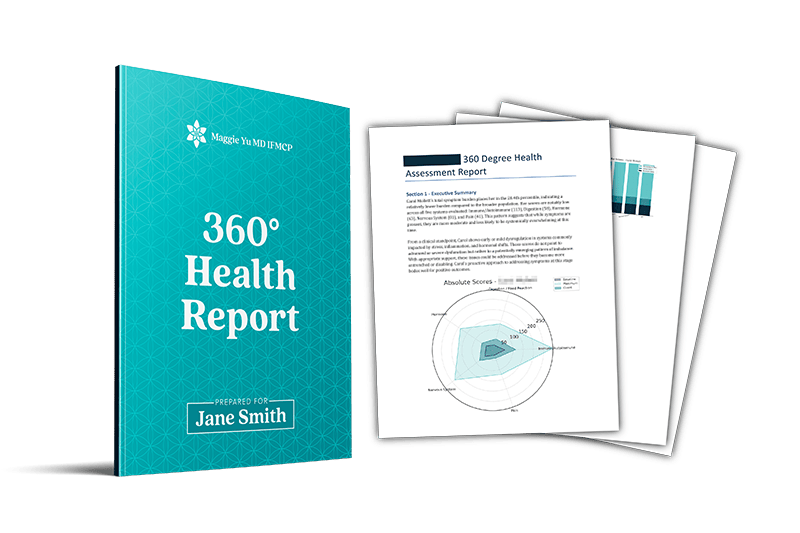
Take The 360° Health Assessment
Our 360° Health Assessment is designed for individuals ready to understand their health and take the next step forward.
Gut Infections and POTS
Yes, gut infections can play a role.
But here is the key distinction.
Infections are rarely the first domino.
When digestion is weak, when nutrient absorption is compromised, when blood sugar is unstable, and when hormones are off, the gut environment becomes vulnerable.
Treating infection without correcting blood sugar and hormones is why so many POTS patients relapse.
Order matters.
Why Even High-Profile Patients Stay Stuck
When someone like Bethenny Frankel struggles publicly with POTS despite having access to elite care, it highlights something important.
Resources do not equal root cause.
Specialists often work in silos.
Cardiology looks at the heart.
Rheumatology looks at autoimmune markers.
Gastroenterology looks at the gut.
But POTS and dysautonomia cross all those systems.
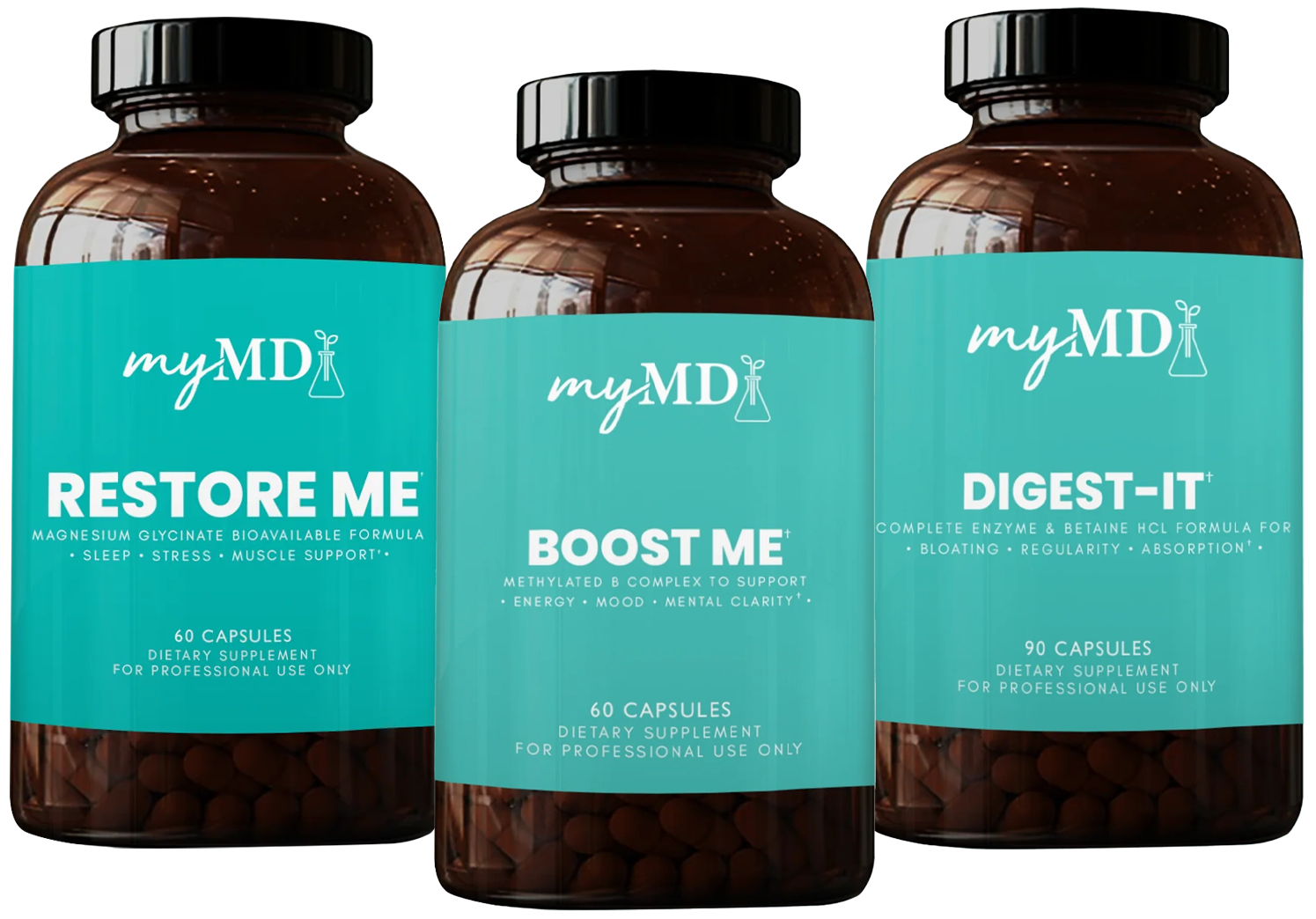
Dr Maggie Yu’s Transform methodology integrates:
- Blood sugar mastery
- Digestion optimization
- Food sensitivity identification
- Hormone balancing
- Immune and infection correction in the proper order
That is why patients often say:
“I thought I was too complicated.”
“I thought no one could help me.”
“This was easier than I expected once we addressed the right thing first.”
FAQ: Bethenny Frankel, POTS, and Root Causes
What is POTS?
Postural Orthostatic Tachycardia Syndrome is a form of dysautonomia where heart rate increases excessively upon standing, often accompanied by dizziness, fatigue, and blood pressure instability.
Can POTS cause extreme thirst and weight gain?
Yes. Fluid regulation, adrenal hormones, thyroid function, and blood sugar instability can all influence thirst, swelling, and weight changes in POTS patients.
Is POTS an autoimmune disease?
Yes, POTS is multi-factorial and driven by blood sugar, hormonal, and gut dysfunction patterns with autoimmunity fueling these issues.
Why do doctors struggle to treat POTS?
Most specialists treat isolated systems. POTS is a multi-system condition that requires a comprehensive root cause approach.
Conclusion
If you found Dr Maggie Yu because you saw her respond to Bethenny Frankel’s POTS struggle, or you are searching for answers for yourself, start here.
If you are dealing with:
- POTS
- Dysautonomia
- Tachycardia
- Extreme fatigue
- Hormone imbalance
- Blood sugar crashes
- Gut dysfunction
- Anxiety that does not make sense
You need someone who understands the full pattern.
Book your 360 Health Assessment 1:1 Results Call and let us evaluate your root causes in the right order. [Link]
You are not too complicated.
You are not broken.
You just need someone in your corner who understand the patterns.