Hormone shifts can ignite autoimmune flares and nervous system dysregulation like POTS. Learn the root-cause connection, why doctors miss it, and what to do next.
If you have been told your varying and worsening symptoms are not connected, keep reading.
Hormones, the immune system, and the nervous system are not separate silos, working independently of each other. They are deeply intertwined. When one system destabilizes, it can ignite the others, and that is how people end up with “random” symptoms that are anything but random.
This is one of the biggest patterns I see in clinical practice, especially in people dealing with Hashimoto’s, lupus, Sjogren’s, rheumatoid arthritis, inflammatory bowel disease, fibromyalgia, chronic fatigue, neuropathy, POTS, dysautonomia, and long haul symptoms.
The missing link is this.
Hormone shifts can act like fuel on immune dysfunction, and immune dysfunction can destabilize the nervous system. When that happens, your body can flip into a chronic state of inflammation, nervous system overdrive, and symptom stacking.
Why Hormones Matter in Autoimmune Disease
Hormones are not just “reproductive.” They are chemical messengers that control immune signaling, inflammation, metabolism, blood sugar stability, brain chemistry, gut motility, sleep, and stress response.
When hormone patterns are unstable, your immune system becomes more reactive. That can mean:
- More inflammation
- More pain
- More flares
- More histamine type reactions
- More nervous system symptoms like palpitations and dizziness
- More “mystery” symptoms that do not show up on basic labs
This is why so many people notice a clear connection between symptom severity and hormone shifts, even when their doctors deny it.
The Hormone Shift Windows That Commonly Trigger Flares
Certain life phases create rapid hormone changes that can amplify immune dysfunction.
- Postpartum
- Perimenopause
- Puberty
- Monthly cycles
- Menopause transitions
- High stress seasons that destabilize adrenal hormones and blood sugar hormones
These windows matter because the immune system does not like rapid change. If you already have immune vulnerability, hormone shifts can become the match.
Postpartum Thyroiditis Explains the Entire Concept
Postpartum is one of the clearest examples of how hormone changes can trigger autoimmune activity.
After a baby is delivered, the placenta is delivered too. The placenta is an intense hormone producing organ. When it is gone, hormone levels shift hard and fast.
That shift can trigger postpartum thyroiditis, where the immune system attacks the thyroid.
If dramatic hormone shifts can trigger immune attack against the thyroid, it is not a stretch to understand how those same shifts can trigger immune activity that worsens joint pain, gut inflammation, brain symptoms, and nervous system instability.
PCOS Is an Early Warning Signal, Not Just a Period Problem
PCOS is often treated like a standalone diagnosis, but it is frequently a sign that hormone patterns have been dysregulated for a long time.
If someone develops PCOS symptoms early, it is not just a reproductive issue. It can be a sign that immune vulnerability is already present and the body is more likely to become reactive during future hormone shifts.
Over time, that vulnerability can show up as:
- Thyroid autoimmunity
- Joint pain patterns
- Histamine problems
- Mood and brain symptoms
- Dysautonomia and POTS type symptoms
- Autoimmune diagnoses later in life
This is one reason why early hormone pattern issues deserve serious attention, not dismissal.
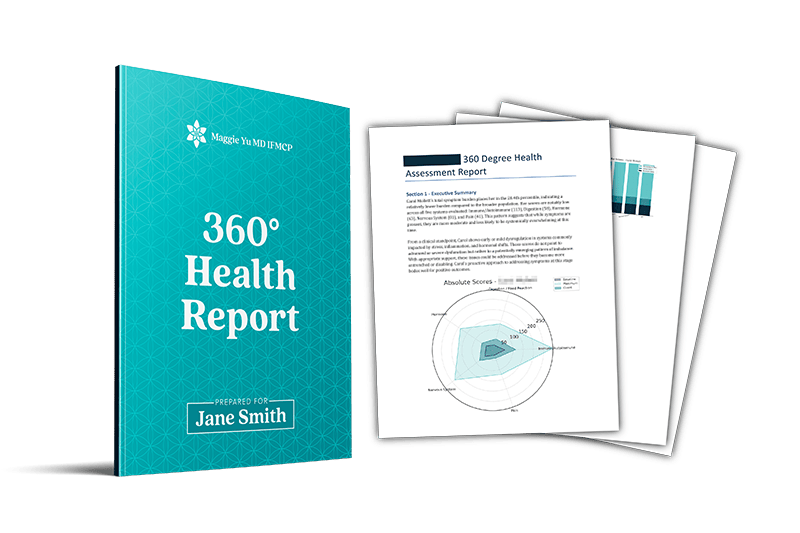
Take The 360° Health Assessment
Our 360° Health Assessment is designed for individuals ready to understand their health and take the next step forward.
Nervous System Dysregulation Is Often the Next Domino
In the last few years, nervous system dysregulation has exploded. Many people do not even have a clear diagnosis, yet they are living with disabling symptoms.
This family includes POTS, but it is larger than POTS.
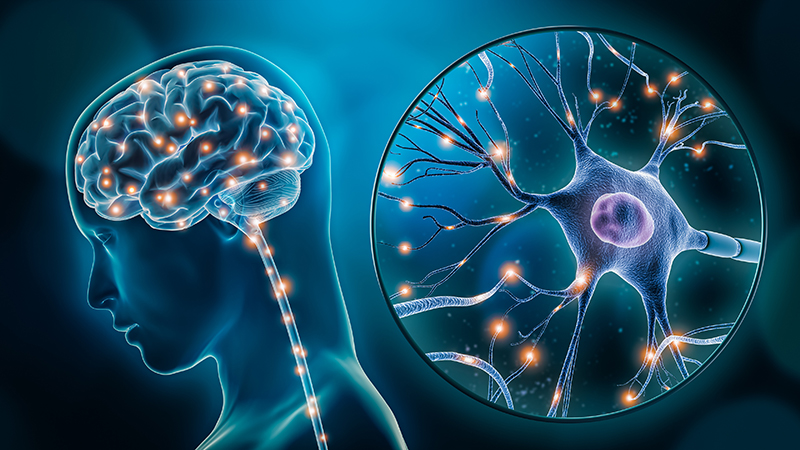
The core issue is autonomic imbalance, where the nervous system cannot smoothly regulate between rest and digest and fight or flight.
What Nervous System Dysregulation Looks Like
- Heart rate spikes and drops
- Blood pressure swings
- Dizziness, vertigo, faintness
- Palpitations
- Waking with adrenaline, fear, or panic sensations
- Insomnia
- Temperature dysregulation
- Gut motility changes
- Neuropathy, tingling, burning
- Crashes after exertion or stress
Many people are sent to a cardiologist because the heart is loud in the symptom picture. But in many cases, the heart is not the root issue. It is a target being affected by nervous system signaling.
A Simple Model That Explains It
Think of the autonomic nervous system like a seesaw.
One side is parasympathetic, rest and digest.
The other side is sympathetic, fight or flight.
In a regulated body, the seesaw shifts smoothly based on what you need.
In dysregulation, it slams up and down repeatedly. That constant instability can create symptoms in the heart, brain, gut, nerves, and sleep patterns.
The Post Viral Trigger That Changes Everything
One of the most consistent patterns I see is this.
A viral illness changes the trajectory of health.
- COVID
- EBV or mono
- Flu
- Lyme
- Herpes (Shingles)
Certain viruses irritate immune cells, alter immune signaling long term, and in susceptible individuals, trigger immune activity that targets hormone producing organs and the autonomic nervous system.
This matters because many people are trying to solve the wrong problem.
They chase one diagnosis, one organ, one specialist, one symptom, and miss the larger pattern.
Post viral immune dysregulation can be the turning point that makes hormones less stable and nervous system regulation less resilient. That can look like new onset POTS, worsening autoimmune flares, and symptom stacking that feels like it comes out of nowhere.
It does not come out of nowhere.
It follows a pattern.
Why the Specialist Parade Keeps You Stuck
Many people with these symptoms see:
- Rheumatology
- Endocrinology
- Neurology
- Cardiology
- Gastroenterology
- Gynecology
Each specialist looks at one slice. Most do not connect the dots.
That is why people end up with five specialists, ten diagnoses, and no blueprint.
If you are living with complex symptoms, you need pattern recognition. You need a plan that accounts for hormones, immune signaling, nervous system stability, gut function, and post viral changes in the right order.
Online Training
A New Look at Autoimmune Healing
Research-backed insights into rheumatoid arthritis, Hashimoto’s, lupus, fibromyalgia, and more.
What to Do Next: Build a Blueprint, Not a Stack of Band-Aids
If your symptoms are complex, the first step is not guessing. It is an assessment.
What you do not measure, you cannot change.
That is why we start with the 360 Health Assessment 1:1 Results Call. It allows us to map your patterns, identify drivers, and build a sequence, what to address first, second, and third.
Need more insight into your health case? Book a 360 Evaluation
In the 360 assessment we review your results with you on a 1:1 Zoom call and provide a written report so you finally understand what is driving what.
If you have been overwhelmed, scared, or exhausted, this is how you get clarity.
FAQs
Can hormones really trigger autoimmune flares?
Yes. Rapid hormone shifts can amplify immune reactivity, inflammation, and symptom severity, especially in people with underlying immune vulnerability.
Why do symptoms worsen during perimenopause?
Perimenopause is not a smooth decline. Hormones swing. Those swings can destabilize immune signaling, sleep, blood sugar, and nervous system regulation.
Why do doctors say labs are normal when I feel awful?
Most standard labs do not evaluate functional patterns. They look for extremes and miss common dysregulation patterns that drive chronic symptoms.
Can post viral illness cause long term nervous system symptoms?
Yes. Post viral immune changes can destabilize autonomic regulation, which can show up as palpitations, dizziness, insomnia, anxiety sensations, crashes, and gut motility changes.
What is the first step if I feel overwhelmed by symptoms?
Stop guessing. Get assessed so you can understand your pattern and the correct order to address it. Take the 360° Health Assessment.